

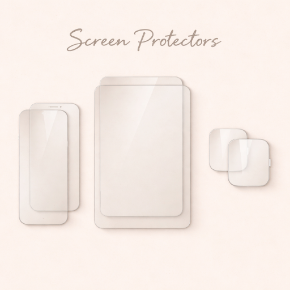
Choosing the right screen protector today isn’t as simple as picking the first option you see online. With multiple technologies available—each claiming to offer the best protection—it’s easy to feel unsure about what actually works. Whether you’re trying to protect a brand-new smartphone or extend the life of an older device, understanding the differences between a tempered glass screen protector, hydrogel film, and liquid coating is essential. These options vary significantly in durability, feel, and real-world performance. Some are designed to absorb impact, while others focus on scratch resistance or maintaining a sleek look. In this guide, we’ll break everything down in a simple, practical way so you can confidently choose the right solution for your needs without wasting money on something that doesn’t deliver.
What Is a Tempered Glass Screen Protector?
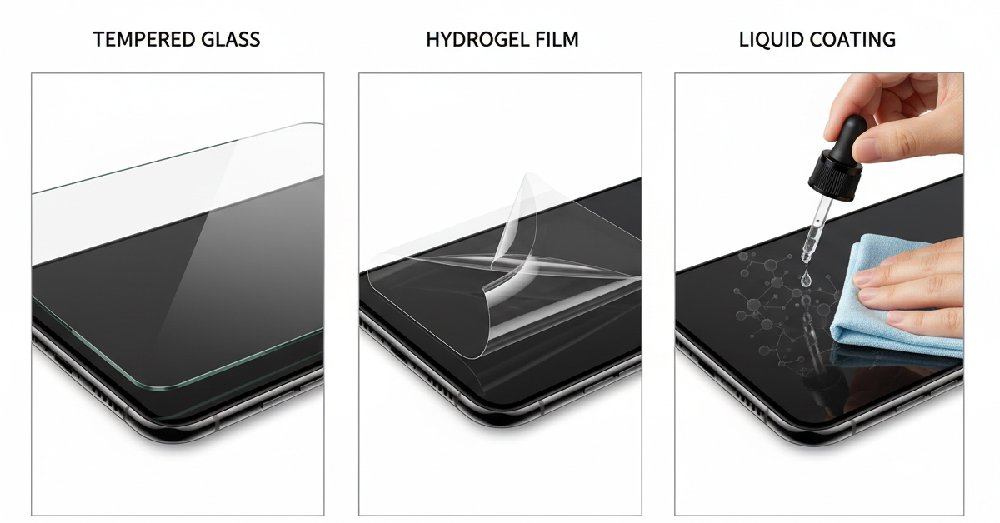
A tempered glass screen protector is made from specially treated glass that has been strengthened through heat and chemical processes. It is designed to absorb shocks and prevent your actual phone screen from cracking during drops. What makes this option stand out is how closely it mimics the original screen. It feels smooth, responds well to touch, and offers strong resistance against scratches from everyday objects like keys or coins. For users who want dependable protection, this is usually the go-to choice.
One of the main reasons people prefer tempered glass is its balance between protection and usability. It doesn’t interfere with screen clarity and works seamlessly with most devices, including modern smartphones and tablets. While it may crack under heavy impact, it effectively sacrifices itself to protect your device.
What Is a Hydrogel Screen Protector?
A hydrogel screen protector is made from a flexible, gel-like material that sticks closely to your screen. Unlike glass, it doesn’t shatter, making it particularly useful for modern phones with curved edges. One of its biggest advantages is its self-healing ability. Minor scratches tend to fade over time, which helps maintain a clean and polished look. It’s also thinner than glass, so it feels almost invisible once applied.
However, hydrogel doesn’t provide the same level of protection against drops. It is more suitable for users who are careful with their devices and primarily want to avoid scratches rather than major damage.
What Is a Liquid Screen Protector?
A liquid screen protector is a nano-coating solution that you apply directly onto your screen. Once it dries, it forms an invisible layer that adds a small degree of scratch resistance. This type of protector is appealing because it doesn’t change the look or feel of your device. There are no bubbles, no alignment issues, and no visible edges. It works across a wide range of devices, regardless of size or shape.
That said, liquid protectors have clear limitations. They do not offer meaningful protection against drops or strong impacts. Instead, they act as a light protective layer, mainly useful for reducing minor scratches.
Hydrogel vs Tempered Glass vs Liquid: Key Differences
When comparing these three types, the differences become more obvious in everyday use. Tempered glass offers the highest level of durability and impact resistance, making it ideal for protecting against accidental drops. Hydrogel, on the other hand, focuses on flexibility and works especially well on curved displays where glass may not fit perfectly. Liquid protectors prioritize aesthetics, offering an invisible layer without adding any thickness.
In terms of performance, tempered glass provides the most comprehensive protection, while hydrogel and liquid options serve more specific purposes.
Which Screen Protector Should You Choose?
Your decision should depend on how you use your device. If you frequently drop your phone or want maximum protection, tempered glass is the most reliable option. It provides peace of mind and long-term durability. Hydrogel is a better fit if you prefer a lightweight, flexible solution that adapts to curved screens. It’s also a good choice if you want something less noticeable while still protecting against scratches.
Liquid protectors are suitable for users who prioritize a clean, minimal look and don’t require strong protection. They are easy to apply and maintain the original feel of the screen.
Best Use Cases for Each Type
To make things simpler:
- Tempered glass is best for strong protection and everyday durability
- Hydrogel is ideal for curved screens and lightweight use
- Liquid protectors work for minimal, invisible coverage
Final Verdict
When comparing hydrogel, tempered glass, and liquid screen protectors, each has its place depending on your needs. However, for most users, tempered glass remains the best overall choice. It offers a strong combination of durability, clarity, and ease of use. Hydrogel is a great alternative for specific situations, while liquid protectors are better suited for light, everyday protection rather than heavy-duty use.
FAQs
Which screen protector is best overall?
A tempered glass screen protector is generally the best option because it offers superior protection against drops and scratches while maintaining a smooth user experience.
Is hydrogel better than tempered glass?
Hydrogel is better for flexibility and curved screens, but it does not provide the same level of impact protection as tempered glass.
Do liquid screen protectors really work?
Liquid screen protectors can help reduce minor scratches, but they do not offer strong protection against drops or serious damage.
Can a screen protector affect touch sensitivity?
High-quality screen protectors, especially tempered glass ones, usually maintain excellent touch sensitivity and responsiveness.
How long does a screen protector last?
The lifespan varies depending on the type and usage, but most screen protectors last several months before needing replacement.
Do I need a screen protector if my phone has strong glass?
Yes, even devices with durable glass can still get scratched or damaged. A screen protector adds an extra layer of protection and helps preserve the device’s condition.